


The Latest In Microplastics Research
Plastic in the Brain? What the Latest Microplastics Research Means for Your Health
It’s official: plastic is not just polluting our planet, it’s now inside our bodies, including our brains.
New research from the University of New Mexico has confirmed the presence of microplastics in human brain tissue, with concentrations equivalent to the plastic in a single LEGO brick. Even more concerning? These levels are increasing rapidly, with a 50% rise reported over the past eight years.
At Natural Elements, we’ve always believed in protecting the body from unnecessary toxins. This new study underscores why that mission is more important than ever.
What Are Microplastics?
Microplastics are tiny fragments of plastic less than 5 millimetres in size. They’re produced when larger plastic items break down and are also found in synthetic fabrics, personal care products, and even household dust. We’re exposed to them every day, through the air we breathe, the water we drink, and the products we use on our skin.
Over the past decade, scientists have found microplastics in many parts of the human body, including the lungs, bloodstream, liver, and placenta. But this new research marks the first time they’ve been found in brain tissue and in significant quantities.
A LEGO Brick in the Brain
The study’s findings are striking: microplastics made up around 0.5% of the brain’s weight in some samples the equivalent of a 2x10 LEGO brick. The researchers believe these particles may enter the brain via the bloodstream, or potentially through the nose, bypassing the blood–brain barrier entirely.
The brain was found to have higher concentrations of microplastics than other organs, such as the liver or kidneys. And levels are rising fast: a 50% increase in the past eight years suggests that modern lifestyles are accelerating plastic exposure.
What Does This Mean for Our Health?
While scientists are still studying the effects of microplastics in the body, early evidence suggests they may contribute to inflammation, oxidative stress, and disruption of hormonal or neurological functions. The full impact on human health isn’t yet understood but the thought of plastic particles building up in the brain is deeply troubling.
At Natural Elements, this research only strengthens our belief in going plastic-free wherever possible especially when it comes to what you put on your skin.
What You Can Do
You may not be able to avoid microplastics entirely, but you can reduce your exposure. Here’s how:
-
Switch to natural, plastic-free skincare – many synthetic formulas contain microplastic ingredients or petrochemical derivatives.
-
Choose natural fabrics and avoid synthetic fibres that shed plastic particles into the air.
-
Minimise single-use plastic – especially food containers and plastic-wrapped products.
-
Ventilate your home and filter your water to reduce airborne and waterborne plastics.
Our Commitment to a Plastic-Free Future
All Natural Elements products are proudly formulated without plastics, petrochemicals, or synthetic fillers. We use only plant-based ingredients that nourish the skin and respect the planet — because what goes on your skin matters just as much as what goes in your body.
This new research is a wake-up call. The time to go natural isn’t someday — it’s now.
Natural Elements Skin Care


Advance Anti Ageing
Click Above to learn about expanded our molecular discoveries in rare vital oils to provide natural advancements that are designed to correct cell damage.

Solutions To Skin Concerns
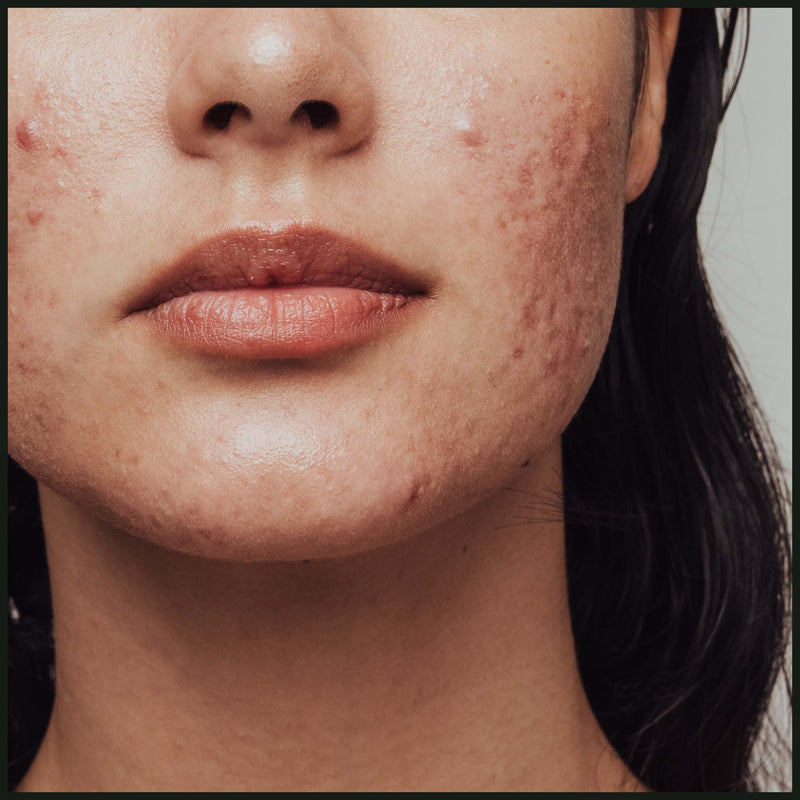
Click Here for Scientific developed for Rosacea, Eczema & Acne solutions using only unadulterated botanical ingredients - you can be assured that they are the safest natural alternative to skin concerns vs steroid emollients.


No More Reactions
Gentle, daily skin care made with as little as 8 botanical ingredients for zero fuss & zero reactions in order to keep your skin hydrated and glowing,